





Creating a home workspace that promotes both productivity and comfort can make a big difference in your daily routine. Whether you work from home full-time or occasionally need a quiet spot to focus, your environment plays a key role in your success.
In this post, we’ll explore practical tips to set up a relaxing home workspace designed to keep you motivated, comfortable, and productive.
Why a Relaxing Workspace Matters
A cluttered, uncomfortable, or uninspiring workspace can lead to distractions, stress, and decreased productivity. On the other hand, a calm and well-organized environment helps lower stress levels and keeps your mind clear, allowing you to concentrate better.
Making intentional choices about lighting, furniture, and organization will help you create a space where work feels less like a chore and more like a positive experience.
Choose the Right Location
Selecting the ideal spot for your workspace is the first step.
– Natural Light: Aim for a location near a window if possible. Natural light improves mood and energy levels.
– Quiet Area: Pick a low-traffic zone in your home to minimize interruptions.
– Space Availability: Make sure you have enough room for your equipment and any storage you need.
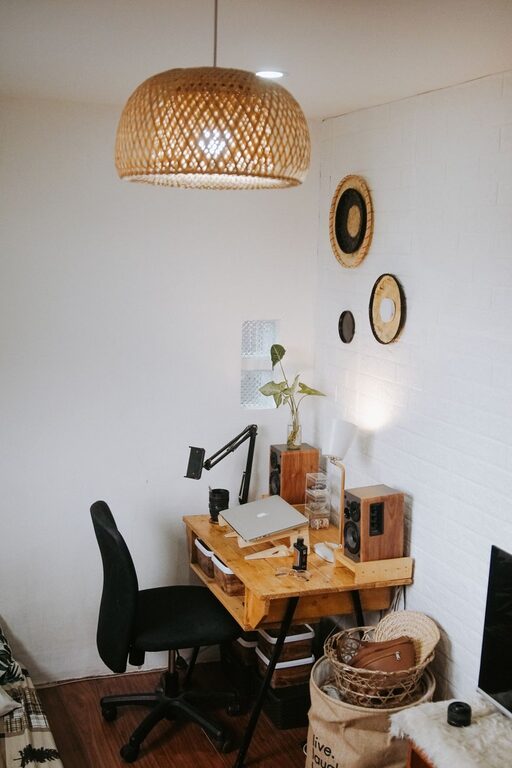
If space is limited, consider compact desks or convertible furniture that can fit in small areas without feeling crowded.
Invest in Comfortable Furniture
Comfortable furniture supports better posture and reduces fatigue.
– Ergonomic Chair: Choose an adjustable chair that offers lumbar support and encourages good posture.
– Desk Height: Ensure your desk is at a height that allows your arms to rest comfortably while typing or writing.
– Footrest: If your feet don’t rest flat on the floor, use a footrest to reduce strain.
Comfortable furniture lets you stay focused longer without physical discomfort.
Optimize Lighting
Proper lighting reduces eye strain and helps maintain focus.
– Natural Light: Utilize sunlight as much as possible.
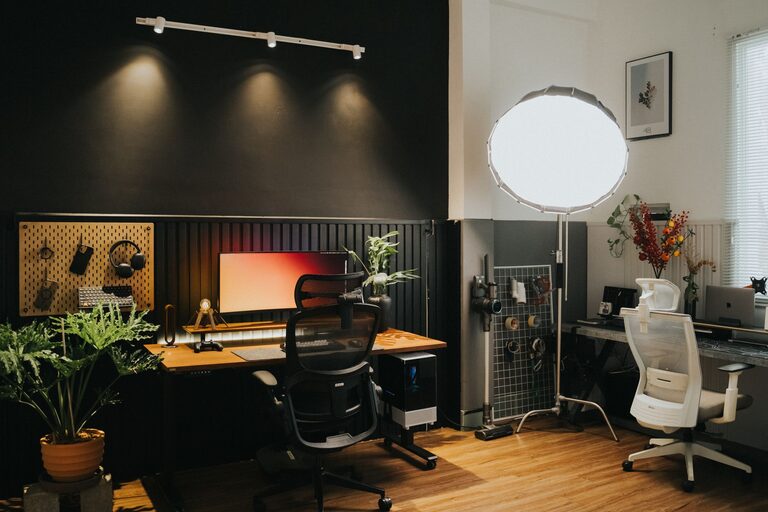
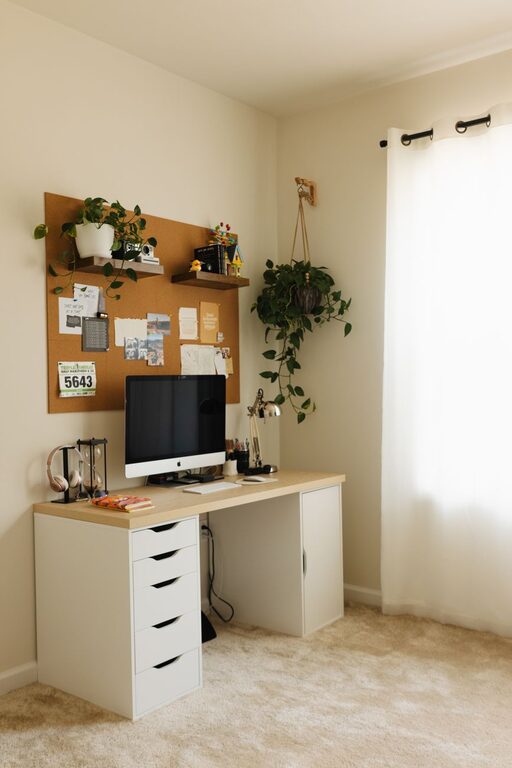
– Task Lighting: Add an adjustable desk lamp for focused work.
– Avoid Glare: Position screens to avoid reflections and glare from windows or lights.
Using warm, soft light in the evenings can help reduce eye strain and create a soothing atmosphere.
Declutter and Organize
A tidy workspace minimizes distractions.
– Declutter Regularly: Remove items you don’t need daily.
– Use Storage Solutions: Shelves, drawers, and organizers keep supplies neat.
– Cable Management: Use clips or cable sleeves to keep cords tidy.
An organized space allows you to find what you need quickly, making your work smoother.
Personalize Your Space
Adding personal touches can make your workspace inviting and boost your mood.
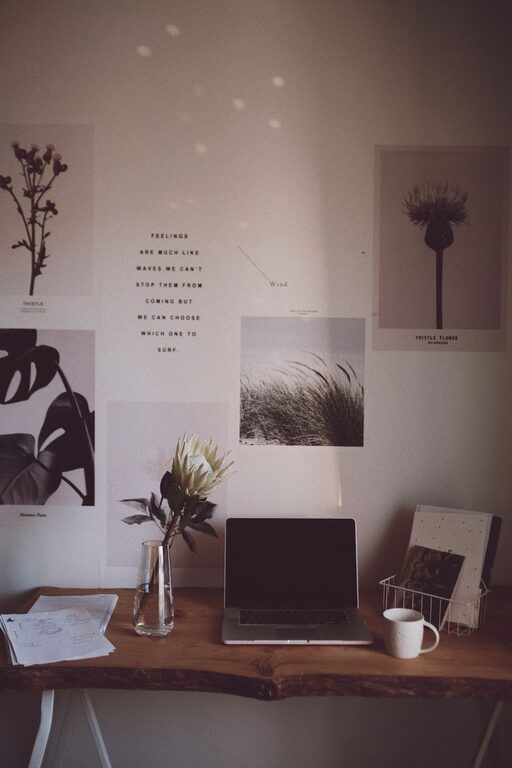
– Plants: Indoor plants improve air quality and provide a calm ambiance.
– Artwork or Photos: Display images that inspire or relax you.
– Color Choices: Use soft, soothing colors for your walls or accessories to create a peaceful vibe.
Personalization helps you feel more connected to your workspace.
Control Noise Levels
Limiting distracting sounds helps maintain focus.
– Noise-Canceling Headphones: These can block out background noise.
– White Noise Machine or Apps: Gentle sounds can mask disruptive noises.
– Soft Furnishings: Carpets and curtains absorb sound, reducing echo.
A quieter environment supports concentration and mental clarity.
Maintain Good Air Quality and Temperature
Fresh air and comfortable temperature contribute to well-being.
– Ventilation: Open windows when possible or use an air purifier.
– Temperature Control: Keep your workspace at a comfortable temperature to avoid discomfort.
– Humidity: Use a humidifier or dehumidifier if needed to maintain balanced humidity.
Fresh, clean air helps you stay alert and comfortable throughout the day.
Schedule Breaks and Movement
Even the best setup benefits from regular breaks.
– Pomodoro Technique: Work for focused intervals, then take short breaks.
– Stretching: Stand up and stretch to relieve tension.
– Walks: Take brief walks indoors or outside to refresh your mind.
Incorporating movement into your day reduces fatigue and boosts productivity.
—
Creating a relaxing home workspace involves combining comfort, organization, and thoughtful design. By prioritizing your physical and mental comfort, you can build an environment that supports your work and well-being, helping you stay productive each day. Start small, make improvements gradually, and enjoy the difference a calming workspace can make!